
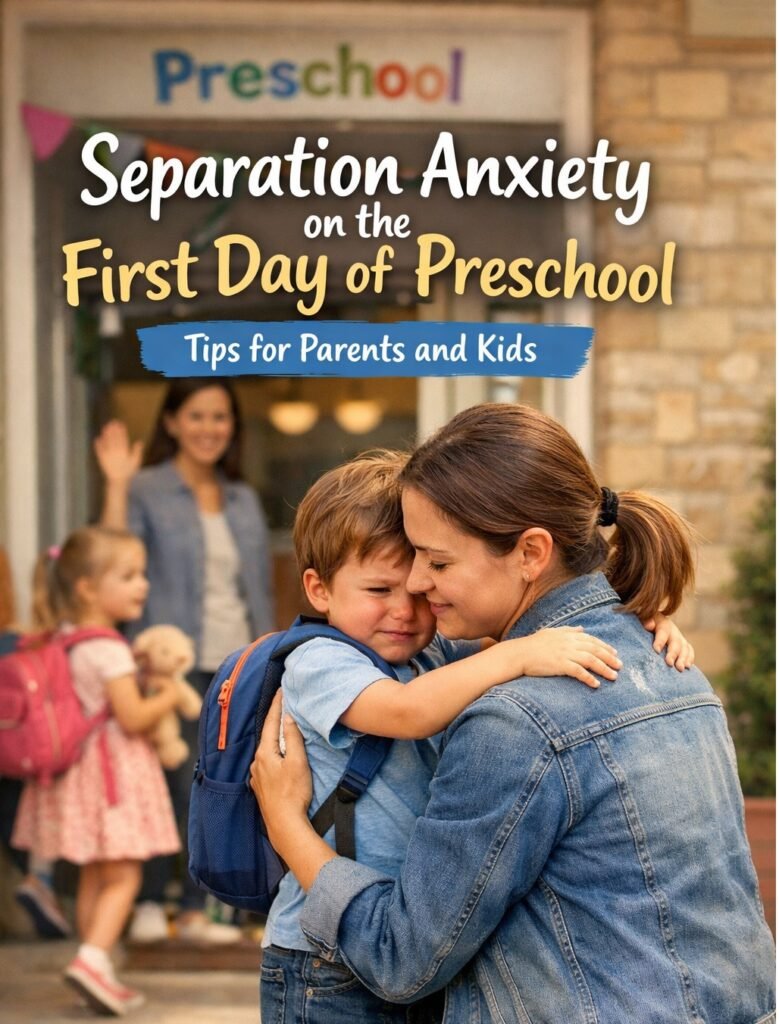
Separation Anxiety on the First Day of Preschool: Tips for Parents and Kids
The first day of preschool is a major milestone for both children and parents. While some children walk into school happily, others may feel nervous, cling to their parents, or cry during drop-off. This emotional reaction is very common and is often known as separation anxiety first day of preschool experiences.
For parents, watching their child struggle with separation can feel heartbreaking. Many parents begin to worry whether their child is ready for school at all. However, it is important to remember that Separation Anxiety in Preschoolers is a natural part of growing up. Young children are deeply attached to their parents and may need time to adjust to a new environment.
The good news is that with patience, reassurance, and the right support, most children gradually settle into preschool routines. Parents can play a very important role in helping children feel safe, secure, and confident during this transition.
This guide shares practical Strategies to Help Your Preschooler Handle Separation Anxiety and make the first days of school smoother for everyone.
Understanding Separation Anxiety in Preschoolers
As a parent, you might also feel a sense of loss or worry. Children are incredibly perceptive and can easily pick up on your stress. Managing your own emotions is the very first step in helping your child feel safe.
Some common signs of Separation Anxiety in Preschoolers include:
- Crying during school drop-off
- Refusing to enter the classroom
- Clinging to parents
- Complaining of stomach aches or headaches
- Becoming unusually quiet or upset
These reactions are usually temporary and improve as children become familiar with their surroundings.
Why Separation Anxiety Happens on the First Day of Preschool
The separation anxiety first day of preschool experience often happens because children feel uncertain about what will happen once their parents leave.
Young children rely heavily on routines and familiar people. When suddenly introduced to a new setting, they may fear:
- Being left alone
- Not seeing parents again soon
- Not knowing how to ask for help
- Feeling unsafe in a new environment
Understanding these fears can help parents respond with patience and empathy rather than frustration.
Strategies to Help Your Preschooler Handle Separation Anxiety
There are many simple ways parents can support children during the preschool transition. These small steps can make a huge difference in helping children feel secure.
Talk Positively About Preschool
One of the best Strategies to Help Your Preschooler Handle Separation Anxiety is to speak positively about school before the first day.
Talk about preschool as a fun and exciting place where children:
- Play games
- Listen to stories
- Make friends
- Learn new things
Avoid talking about school in a worried or emotional tone. Children often copy their parents’ feelings. Simple positive conversations at home can help children feel more confident about attending school.
Visit the Preschool Before the First Day
If possible, take your child to visit the preschool before classes begin. Seeing the classroom, toys, teachers, and play area helps the environment feel familiar rather than frightening.
During the visit:
- Walk around together
- Introduce your child to the teacher
- Let your child explore the classroom
- Show excitement and encouragement
This small step can reduce separation anxiety first day of pre school fears significantly.
Practice Short Separations at Home
Children adjust better when they slowly become comfortable spending short periods away from parents.
You can practise by:
- Leaving your child with grandparents or relatives for a short time
- Encouraging independent play
- Attending short activity classes
These experiences help children understand that parents always return after leaving.
Create a Goodbye Routine
A calm and predictable goodbye routine helps children feel secure.
Your goodbye routine can include:
- A hug
- A smile
- A short reassuring sentence like:
- “I’ll come back after school.”
- “You will have fun today.”
- “I will pick you up after your afternoon snack.”
Keep goodbyes short and sweet, long emotional farewells may increase anxiety because children sense their parents’ worry. Never sneak away when your child is distracted, as this destroys their trust.
Stay Calm During Drop-Off
One of the hardest moments for parents is leaving when their child is crying. However, children often calm down shortly after parents leave.
Even if you feel emotional, try to:
- Smile calmly
- Speak gently
- Trust the teacher
- Avoid returning repeatedly after saying goodbye
Children feel safer when parents appear calm and confident.
Maintain Consistent Routines
The first day is just the beginning. The entire first week requires consistency and patience as everyone adjusts to the new routine. Young children feel secure when daily routines remain predictable.
Try to maintain:
- Regular bedtime routines
- Consistent wake-up times
- Healthy meal schedules
- Calm morning routines before school
A structured routine gives children a sense of stability during this big change.
Send a Comfort Item if Allowed
Some preschools allow children to carry a small comfort item during the first few days.
This may include:
- A small soft toy
- A family photo
- A favourite handkerchief
These familiar items can provide emotional reassurance during moments of anxiety. Always check the preschool’s policy before sending personal items.
Praise Small Progress
Every small improvement deserves encouragement. Praise your child every afternoon for being brave and trying their best.
Praise your child when they:
- Enter the classroom independently
- Stay calm during drop-off
- Talk positively about school
- Participate in activities
Positive reinforcement motivates children and helps build emotional confidence.
Communicate with Teachers
Preschool teachers are experienced in helping children settle into school life. Stay connected with your child’s teacher and discuss:
- Your child’s fears
- Drop-off behaviour
- Progress in class
Teachers can provide reassurance and helpful suggestions for managing Separation Anxiety in Preschoolers.
What Parents Should Avoid
While trying to comfort children, parents may unintentionally increase anxiety.
Avoid:
- Sneaking away without saying goodbye
- Threatening or forcing the child
- Comparing your child with others
- Showing panic or guilt
Children need reassurance, patience, and consistency rather than pressure.
When Does Separation Anxiety Improve?
Most children gradually adjust to preschool within a few days or weeks.
As children:
- Build trust with teachers
- Make friends
- Learn routines
their confidence increases naturally.
If anxiety continues for a long period or becomes very intense, parents can discuss concerns with teachers or a child specialist for additional guidance.
Conclusion
The separation anxiety first day of pre school experience can be emotional for both children and parents, but it is a very normal part of starting school.
By understanding Separation Anxiety in Preschoolers and using supportive strategies, parents can help children feel safe and confident during this transition. Talking positively about school, practising routines, staying calm during drop-offs, and encouraging independence all make a big difference.
Every child adjusts at their own pace. With patience, reassurance, and love, children gradually learn that preschool is a safe and enjoyable place filled with learning, play, and new friendships.
Using these simple Strategies to Help Your Preschooler Handle Separation Anxiety can help make the first school experience smoother and more positive for the whole family.
Starting preschool is a big emotional step for both children and parents. With patience, reassurance, and small daily routines, children gradually become comfortable with school life. Parents can also explore helpful learning resources, printable activities, and nursery preparation materials on CBSEClassWorksheets to support children during their early learning journey.
Frequently Asked Questions (FAQs)
1. Is separation anxiety normal on the first day of preschool?
Yes. Many children feel nervous or upset when separated from parents for the first time. It is a common and natural reaction.
2. How long does separation anxiety usually last in preschoolers?
For most children, severe separation anxiety fades within two to four weeks as they adapt to their new school routine and build trust with their teachers.
3. Should I stay in the classroom if my child is crying hysterically?
No. Staying often prolongs the distress. It is best to give a quick, loving goodbye and hand your child over to the teacher, who is trained to comfort them.
4. Is it normal for a child to start crying on week two after a great first week?
Yes. This is called a delayed reaction. The novelty of school wears off, and the child realizes this is a permanent routine, causing a temporary setback.
5. When should I seek professional help for my child's separation anxiety?
Consider speaking to a professional if the intense crying, sleeplessness, or refusal to attend school lasts for more than six weeks without any improvement